
Promotional Merchandise Subscription Box Business Model Trends Reshaping Australian Marketing
Explore how subscription box business models are transforming promotional merchandise strategies for Australian marketing teams, businesses, and sports clubs.

Written by
Katarina Pavlov
Industry Trends & Stats
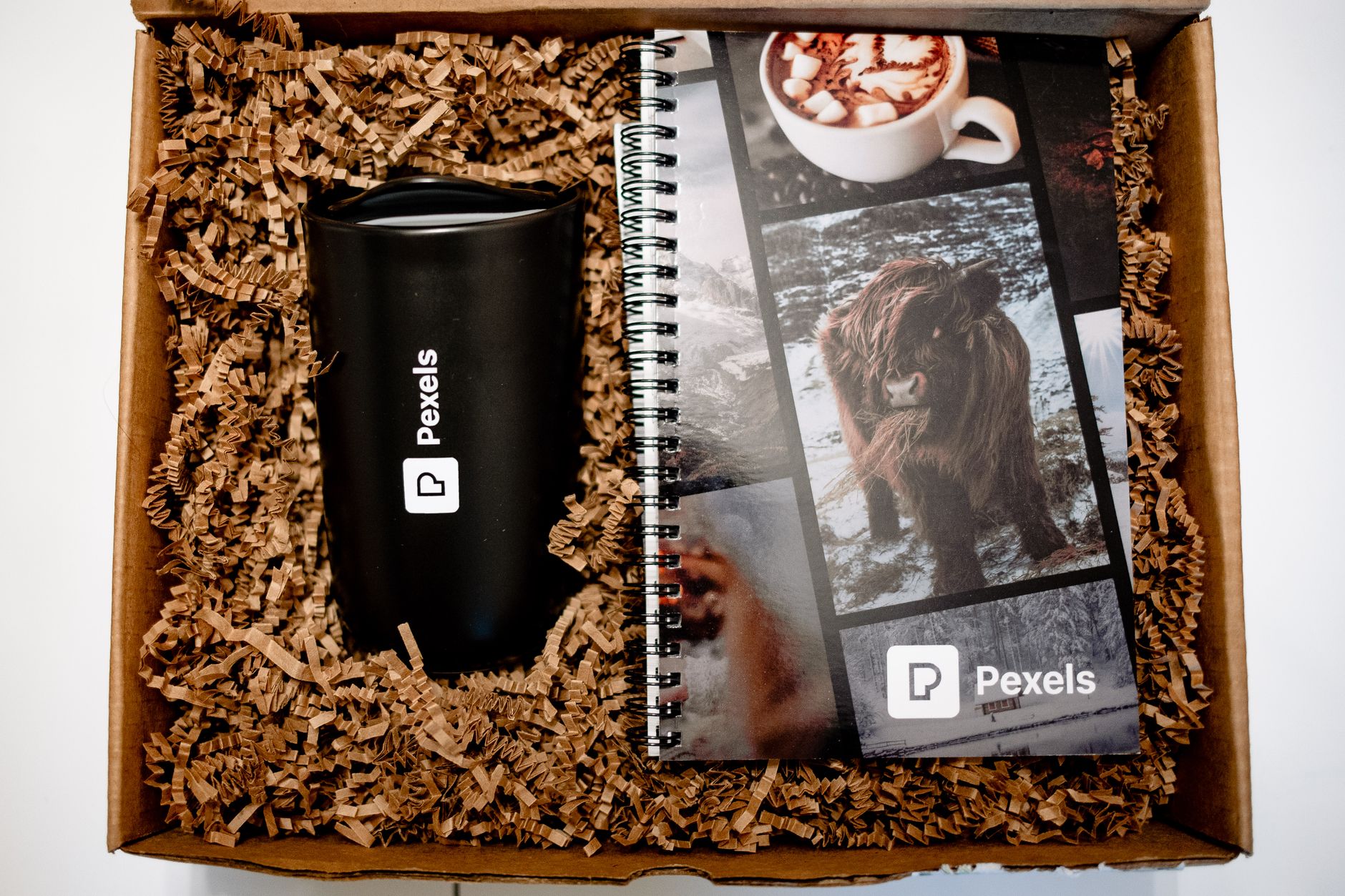
Subscription boxes have moved well beyond artisan coffee blends and beauty samples. Across Australia, forward-thinking marketing teams and businesses are waking up to a genuinely exciting shift in how branded merchandise can be delivered, experienced, and leveraged for long-term brand loyalty. The promotional merchandise subscription box business model is no longer a novelty reserved for consumer brands in the United States — it is gaining serious traction here in Australia, and the implications for everything from corporate gifting to sports club fundraising are significant. Whether you manage brand strategy for a mid-sized Melbourne firm, run marketing for a Sydney-based startup, or coordinate merchandise for a Queensland sporting association, understanding where this trend is heading could reshape your entire approach to promotional products in 2026.
What Is a Promotional Merchandise Subscription Box Model?
At its core, a subscription merchandise model involves delivering curated branded products to recipients — employees, clients, members, or fans — on a recurring schedule. This might be monthly, quarterly, or tied to specific milestones or seasons. Unlike a one-off promotional product campaign, the subscription approach creates an ongoing touchpoint between a brand and its audience.
Think of it this way: instead of handing out branded tote bags at a single annual conference, a business might send curated branded boxes quarterly — each one containing a mix of practical, on-brand items like a reusable water bottle, a quality notebook, and a seasonal product relevant to the time of year. The cumulative effect builds brand familiarity in a way that a single promotional item simply cannot replicate.
For sports clubs, this model translates beautifully into membership packages — sending supporters a welcome box at the start of each season and follow-up boxes timed around key events or milestones. For corporate teams, it works as a structured employee engagement or client retention programme. The consistent, anticipated delivery creates genuine excitement that one-time merchandise rarely achieves.
The Key Business Model Trends Driving This Shift in 2026
Understanding the promotional merchandise subscription box business model trends means looking at several converging forces that are reshaping how Australian organisations think about branded gear.
Personalisation at Scale Is Now Viable
One of the historic barriers to subscription-style merchandise in Australia was cost. Curating individual or semi-personalised boxes at volume was expensive and logistically complex. In 2026, advances in digital printing, variable data printing, and on-demand decoration mean that personalisation is far more accessible.
A Perth-based financial services firm, for example, can now send quarterly client boxes where each item — a branded notebook, a custom pen, or even a USB-C cable — is personalised with the recipient’s name alongside the company logo. Sublimation garments have made it easier to produce small runs of highly personalised apparel without the cost penalties that used to make this impractical. Minimum order quantities (MOQs) for many product categories have dropped, making smaller, more frequent shipments genuinely cost-effective.
Sustainability Is a Central Box Curation Criterion
Australian consumers and business stakeholders increasingly expect branded merchandise to reflect genuine environmental values. This expectation is influencing what goes into subscription merchandise boxes. Curators are moving away from cheap plastic novelties toward reusable, recyclable, and sustainably sourced items.
Products like reusable drinking straws and eco-conscious drinkware have become staple inclusions in premium subscription merchandise boxes. Bamboo stationery, organic cotton apparel, and packaging made from recycled materials are no longer optional extras — they are becoming baseline expectations, particularly for businesses operating in sectors like government, healthcare, and education.
If you are building a subscription merchandise programme for your organisation, aligning the product curation with a seasonal promotional products calendar makes it easier to select eco-relevant items that feel timely rather than generic.
The Recurring Revenue Lens Changes Supplier Relationships
For promotional products suppliers, the subscription model represents a fundamental shift from transactional to relationship-based business. Rather than selling a bulk order once and waiting for the next enquiry, suppliers working with subscription-model clients are managing ongoing accounts with predictable order rhythms.
This changes negotiation dynamics considerably. Clients committing to quarterly or monthly orders over a 12-month period have genuine leverage to negotiate better pricing, dedicated account management, and priority production scheduling. It also changes how businesses should think about return and refund policies for custom promotional products — because when you are running an ongoing programme, quality assurance and dispute resolution processes need to be clearly defined upfront.
Audience Segmentation Is Getting Smarter
The most sophisticated subscription merchandise programmes in Australia are not sending the same box to everyone. Marketing teams are segmenting their audiences — whether that is by client tier, employee role, geographic location, or engagement level — and curating boxes accordingly.
A Brisbane-based professional services firm might send a premium client box featuring laser-engraved drinkware and leather-look accessories, while sending a lighter “starter” box to new clients that includes items like custom lanyards and branded stationery. This tiered approach mirrors what subscription consumer brands have done effectively for years, and it translates remarkably well into the B2B and B2B2C promotional merchandise context.
How Sports Clubs Are Adopting the Model
Sports clubs across Australia are discovering that the subscription box format aligns naturally with their existing membership and supporter engagement structures. A seasonal welcome pack — once a standard fixture in many clubs — is evolving into something more dynamic and anticipated.
Clubs competing in events like obstacle course races have started incorporating subscription-style merchandise into their participant and supporter engagement strategies. You can explore how promotional merchandise works in high-energy event contexts in our guide to promotional merchandise for obstacle course races in Australia.
For sports clubs, key considerations include:
- Timing shipments around the season calendar — pre-season boxes, mid-season milestone boxes, and finals or end-of-season boxes each serve a distinct emotional purpose
- Including collectible or limited-edition items to create genuine scarcity and excitement
- Using screen printing on custom caps for apparel items that fans will genuinely wear, rather than novelty items that end up in drawers
- Bundling merchandise with digital membership benefits to reinforce the overall value of the subscription
Practical Considerations for Building Your Own Subscription Merchandise Programme
If you are considering building a subscription merchandise model for your organisation, there are several practical decisions to work through before placing your first order.
Product Selection and Curation Strategy
The best subscription boxes tell a coherent brand story across multiple touchpoints. Rather than selecting products in isolation, think about how each item complements the others. A box anchored around hydration and wellness might include a wholesale branded water bottle, a quality promotional notebook with logo, and a natural beeswax lip balm. The internal logic of the box reinforces your brand values.
Explore what works for your audience segment. Corporate clients in Sydney and Melbourne tend to respond to premium, functional products — think quality drinkware, tech accessories, and well-crafted stationery. Regional clients in areas like Ballarat may appreciate more practical, locally relevant items. Our overview of promotional products in Ballarat gives useful context for tailoring merchandise to regional audiences.
Decoration Methods and Lead Times
Running an ongoing subscription programme means you need reliable, consistent decoration quality across every shipment. Work with your supplier to establish clear decoration standards for each product category. Embroidery works beautifully for apparel items like polo shirts and caps. Pad printing suits hard goods like pens and tech accessories. Laser engraving is ideal for premium drinkware and awards.
Lead times are critical in a subscription model — your recipients will expect their box on time, every time. Build in buffer time for production and shipping, particularly if you are sourcing from interstate. A good rule of thumb for subscription programmes is to finalise artwork and confirm product selection at least four to six weeks before your planned ship date.
Budgeting and Pricing the Model
The cost-per-box calculation needs to account for products, decoration, packaging, assembly, and fulfilment — including postage. For businesses delivering to capital cities across Australia — Sydney, Melbourne, Brisbane, Perth, Adelaide, Canberra, Hobart, and Darwin — shipping costs can vary significantly. Factor this into your per-recipient budget before committing to a subscription frequency.
If your boxes include event-specific or trade show merchandise, integrating your subscription programme with your broader event calendar makes sense. Our guide to trade show exhibit ideas covers how merchandise fits into the broader event engagement picture.
Also worth reviewing is how promotional products branding strategy informs the overall design coherence of your subscription boxes — because a well-branded box builds recognition in a way that disconnected products simply cannot.
Spring and Seasonal Themes Add Anticipation
One of the most effective tactics for keeping subscription merchandise boxes fresh and engaging is building each box around a seasonal theme. Spring custom products in Australia give you a natural framework for product selection — lighter apparel, outdoor accessories, and vibrant colourways — and the seasonal relevance makes each box feel timely rather than generic. The same logic applies across summer, autumn, and winter editions.
Conclusion: Key Takeaways for Australian Marketers and Club Managers
The promotional merchandise subscription box business model trends playing out in 2026 represent a genuine opportunity for Australian businesses, marketing teams, and sports clubs to move beyond one-off promotional campaigns toward something more sustained and strategically powerful. Here is what to carry forward:
- Recurring touchpoints build deeper brand loyalty than single-event merchandise — the subscription model keeps your brand visible and valued throughout the year
- Personalisation and sustainability are no longer optional — audiences in 2026 expect merchandise that feels considered, relevant, and environmentally responsible
- Segmenting your audience improves ROI — tiered subscription boxes that reflect client value or member engagement deliver better results than a blanket approach
- Operational planning is everything — lead times, decoration consistency, and fulfilment logistics need to be locked in before you launch, not figured out on the fly
- Aligning your subscription calendar with seasonal and event milestones creates natural anticipation and keeps your programme feeling fresh across every delivery cycle
Whether you are just exploring the concept or ready to brief a supplier on your first subscription programme, the foundational principles are straightforward: curate with intention, deliver with consistency, and let your brand values show in every item you choose to include.