
Corporate Gifting ROI Data Australia: What the Numbers Actually Tell Us
Discover the latest Australian corporate gifting ROI data, key industry stats, and practical tips to maximise your branded merchandise investment.

Written by
Katarina Pavlov
Industry Trends & Stats
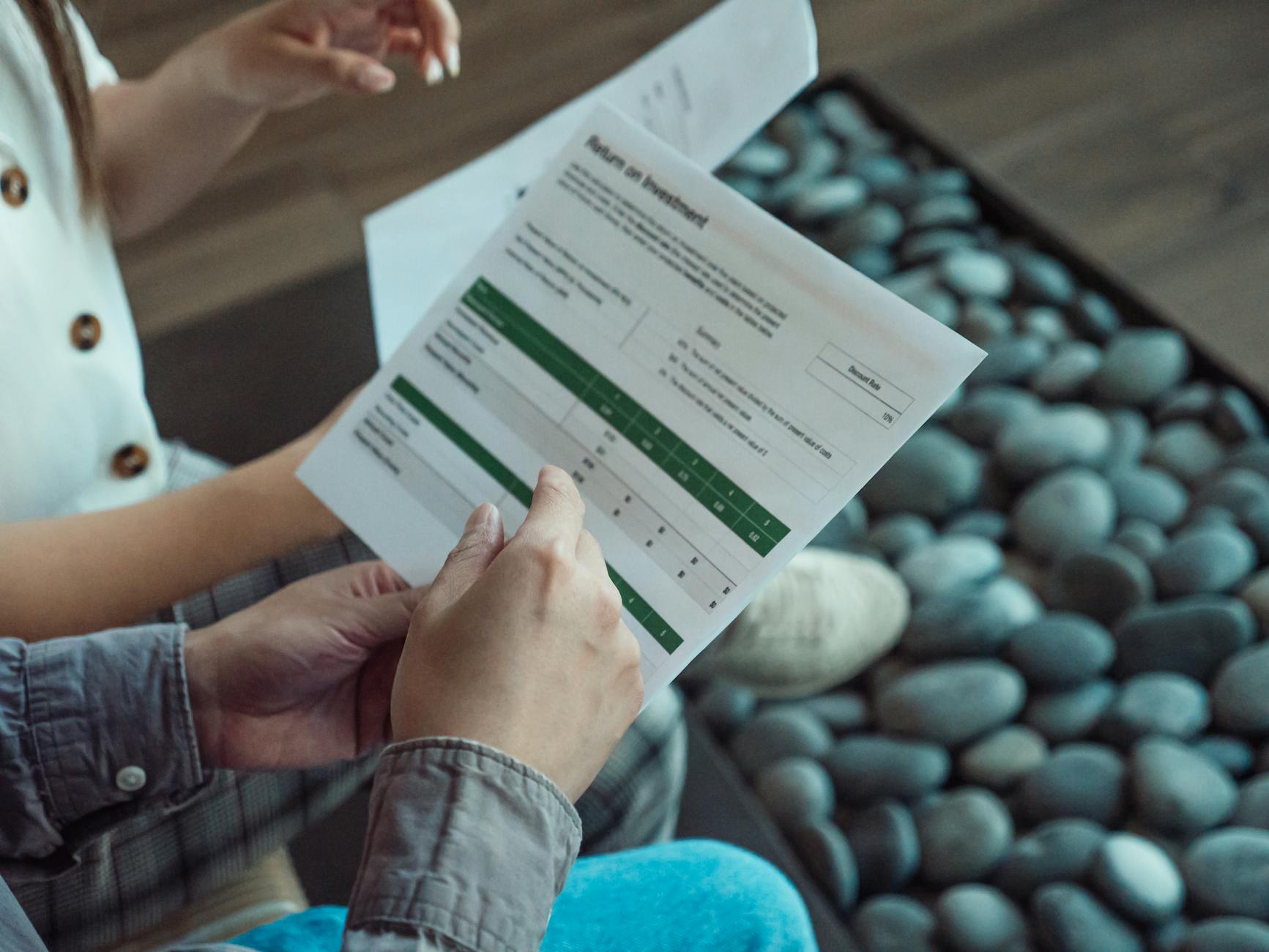
When marketing budgets come under scrutiny, corporate gifting is often one of the first line items to face the red pen. It’s a common misconception that branded merchandise is little more than a novelty — a nice-to-have rather than a measurable business tool. But the data tells a very different story. Across Australia, businesses from Sydney tech firms to Brisbane government contractors are discovering that a well-executed corporate gifting strategy delivers returns that rival — and sometimes outperform — many digital marketing channels. If you’ve been asked to justify your promotional spend or you’re simply trying to make smarter decisions with your merchandise budget, this guide to corporate gifting ROI data in Australia is exactly where you need to start.
Why Corporate Gifting ROI Matters More Than Ever in 2026
The Australian promotional products industry has matured significantly over the past decade. Organisations are no longer satisfied with ordering a batch of branded pens and hoping for the best. Today’s marketing teams want accountability, and suppliers have responded by investing in research that quantifies the impact of branded merchandise.
According to data from the Australasian Promotional Products Association (APPA), the Australian promotional products market is valued at over $1.7 billion annually. More importantly, research consistently shows that promotional products generate some of the lowest cost-per-impression figures of any advertising medium. When you break down the cost of a quality branded item against the number of times it is seen, used, or passed on to others, the value proposition becomes compelling.
Consider a branded reusable water bottle given to a client in Melbourne. A well-made bottle used daily at the gym, in the office, and at weekend markets can generate hundreds of impressions per year — and it lasts far longer than a social media ad that disappears within hours of being published.
The Cost-Per-Impression Argument
One of the most frequently cited statistics in corporate gifting ROI data from Australia and globally is the cost-per-impression metric. Industry research suggests that promotional products deliver impressions at a cost of less than $0.02 each — far cheaper than television, digital display advertising, or even direct mail.
The key driver of this efficiency is longevity. Unlike a 30-second TV spot, a quality branded item lives in the recipient’s environment for months or years. Wholesale branded water bottles with a well-placed logo, for example, typically remain in active use for 12 to 24 months. Every time that item is visible to the recipient or those around them, your brand registers.
This is why understanding corporate gifting ROI data in Australia matters so much for budget conversations. You’re not just buying a product — you’re buying repeated brand exposure over an extended period.
Key Corporate Gifting ROI Data Points for Australian Marketers
Let’s get into the numbers that matter. Here’s what the research tells us about how branded merchandise and corporate gifts perform across Australian businesses and organisations.
Brand Recall and Recognition
Studies show that approximately 85% of people who receive a promotional product remember the advertiser who gave it to them. That figure rises when the gift is useful, high-quality, and relevant to the recipient’s daily life. In contrast, average recall rates for digital display advertising hover below 30%.
For Australian businesses using promotional products as a core branding strategy, this recall advantage is significant. When a Perth mining contractor hands out branded safety gear, or a Gold Coast real estate agency gives clients a quality notebook at settlement, those items create a lasting association between the brand and a positive experience.
Customer Retention and Loyalty
Corporate gifting isn’t just about attracting new clients — it’s equally powerful for retention. Research consistently shows that clients who receive gifts are more likely to continue doing business with a supplier and are more likely to refer others. Some studies put the increase in customer retention from a thoughtful gifting programme at between 15% and 25%.
In the Australian B2B context, where relationship-building is deeply ingrained in business culture, a well-timed corporate gift can be the difference between renewing a contract and losing it to a competitor. This is especially true in sectors like financial services, professional services, and construction, where trust and personal connection drive long-term partnerships.
Trade Show and Event Performance
Events are one of the most data-rich environments for measuring corporate gifting ROI. A Melbourne conference exhibitor who distributes quality branded bags, for instance, will typically see measurable increases in booth traffic compared to those giving away nothing. Our guide to trade show exhibit ideas explores this in detail, but the data point here is worth highlighting: studies show that exhibitors who offer promotional items attract up to 30% more booth visitors than those who don’t.
For items distributed at events, high-utility products like USB-C cables, tote bags, and drinkware deliver the strongest recall because attendees actually use them during and after the event — not just pocket them for later.
Employee Engagement and Onboarding
Corporate gifting ROI data in Australia increasingly includes employee-facing merchandise. Organisations using branded onboarding kits or staff appreciation gifts report higher scores on employee engagement surveys and lower early-stage staff turnover. For businesses in competitive hiring markets like Sydney’s technology sector or Melbourne’s financial district, a well-curated welcome pack isn’t a luxury — it’s a retention strategy.
This has fuelled the growth of promotional merchandise subscription and gifting box models, where employees or clients receive curated branded items on a regular schedule, sustaining engagement over time rather than delivering a single burst.
What Products Deliver the Best ROI in Australia?
Not all promotional products are created equal when it comes to return on investment. The best-performing items share a few common characteristics: they’re practical, they’re used regularly, and they’re visible in public or shared environments.
Drinkware
Drinkware consistently tops ROI rankings in Australian promotional product research. Items like keep cups, insulated tumblers, and reusable bottles are used daily and carried into public spaces. Our overview of reusable drinking straws illustrates how even small eco-conscious additions to a gift set can elevate brand perception among sustainability-minded recipients.
Stationery and Notebooks
A quality branded notebook is one of the most cost-effective corporate gifts available. Promotional notebooks with a logo are used repeatedly over months, keeping your brand front of mind throughout a client’s working day. For professional services firms and consultancies, notebooks strike the right balance between practicality and perceived value.
Tech Accessories
In 2026, tech accessories consistently rank among the highest-recall categories. Items like power banks, charging cables, and wireless earbuds are used multiple times daily — making them exceptional vehicles for brand exposure. These products also tend to be retained rather than discarded, which is crucial for long-term ROI.
Apparel
Sublimation-printed garments and embroidered workwear deliver powerful ROI in the right contexts. A staff member wearing a branded polo in a client-facing environment essentially becomes a walking billboard — and unlike paid advertising, that impression comes with an implicit human endorsement.
Practical Tips for Maximising Your Corporate Gifting ROI
Understanding the data is one thing — acting on it effectively is another. Here’s how Australian marketing teams can translate corporate gifting ROI data into smarter decisions.
1. Align gifts with recipient lifestyle and values. Eco-conscious recipients respond better to sustainable items. A seasonal approach to your promotional products calendar ensures your gifts feel timely and relevant rather than generic.
2. Don’t underestimate minimum order quantities. Many organisations over-order because they haven’t thought through their actual distribution needs. If you need smaller runs, options like small quantity custom lanyards and similar low-MOQ products allow you to be strategic without significant upfront commitment.
3. Invest in quality over volume. One high-quality gift used daily for two years outperforms ten cheap items that end up in a bin within a week. This is especially true for premium client relationships.
4. Track and attribute. Add QR codes to packaging, use unique landing page URLs on gifts, or ask new clients how they heard about you. Even basic attribution tracking transforms gifting from a gut-feel activity into a measurable channel.
5. Plan for returns and replacements. Understand your supplier’s return and refund policies for custom promotional products before you order — particularly for large-volume campaigns where quality consistency is critical.
6. Think geographically. Organisations in Sydney or regional areas like Ballarat may have very different distribution needs, lead times, and audience preferences. Tailor your approach accordingly.
7. Leverage spring and summer for gift campaigns. Spring custom products in Australia see some of the highest engagement rates because recipients are more active and visible in public settings — maximising exposure.
The Growing Case for Eco-Friendly Corporate Gifts
One of the most significant shifts in Australian corporate gifting in recent years is the move toward sustainable and eco-conscious products. APPA research and broader consumer surveys indicate that recipients place higher value on gifts made from recycled, organic, or sustainably sourced materials. This isn’t just an ethical preference — it’s a ROI driver.
When a gift communicates shared values, it creates a stronger emotional connection with the recipient. A Canberra government agency distributing bamboo stationery sets or recycled tote bags signals environmental responsibility — which resonates strongly with public sector clients and stakeholders. Items like reusable water balloons and eco-conscious packaging are small signals that collectively build a brand narrative around responsibility.
Conclusion: What Australian Corporate Gifting ROI Data Tells Us
The evidence is clear. Corporate gifting, when done thoughtfully and strategically, delivers measurable returns for Australian businesses across every sector. From improving brand recall and client retention to driving trade show performance and staff engagement, branded merchandise is a genuine marketing investment — not just a cost centre.
Here are the key takeaways from the corporate gifting ROI data available to Australian marketers:
- Promotional products deliver impressions at under $0.02 each — among the most cost-effective advertising mediums available.
- 85% of recipients recall the brand that gave them a promotional item, far outpacing digital display advertising.
- High-utility items like drinkware, notebooks, and tech accessories consistently deliver the strongest long-term ROI.
- Eco-friendly products are increasing in perceived value and should be a growing part of your gifting mix.
- Tracking and attribution are essential — even simple methods can turn gifting into a fully measurable marketing channel.
Whether you’re a marketing manager in Adelaide planning an end-of-year client gifting campaign or a Darwin business owner investing in staff onboarding kits, the data supports making branded merchandise a deliberate, budgeted part of your strategy. The numbers don’t lie — corporate gifting works.