
The Complete Guide to Promotional Merchandise for Australian Businesses in 2026
Discover how to choose, order, and maximise promotional merchandise for your Australian business, sports club, or marketing team in 2026.

Written by
Grant Ellison
Corporate Gifts
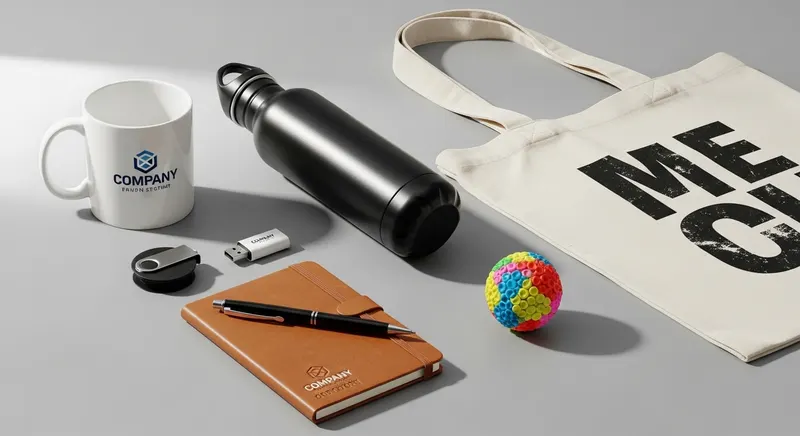
Choosing the right promotional merchandise can feel overwhelming — there are thousands of products, dozens of decoration methods, and no shortage of budget pressures to navigate. Whether you’re a marketing manager in Sydney preparing for a major conference, a Brisbane sporting club gearing up for the new season, or a Melbourne business looking to strengthen client relationships, the decisions you make about branded merchandise directly impact how your organisation is perceived. Done well, promotional products create genuine brand impressions that last far longer than a digital ad or social media post. This guide walks you through everything you need to know to make smart, strategic choices about promotional merchandise in 2026.
What Is Promotional Merchandise and Why Does It Still Work?
Promotional merchandise refers to any branded product given to customers, staff, prospects, or event attendees to raise awareness, build loyalty, or reinforce a brand message. It’s one of the oldest forms of marketing — and one of the most consistently effective.
Unlike digital advertising that disappears the moment someone scrolls past, a well-chosen branded product sticks around. A quality keep cup sits on someone’s desk for years. A branded tote bag goes to the supermarket every week. A custom hoodie becomes a favourite piece of kit for a sporting club member who wears it through an entire season.
Australian businesses spend millions on promotional products every year, and for good reason. Studies consistently show that people recall the brand on a promotional item long after receiving it — often more reliably than they recall TV or online ads. The tactile nature of physical merchandise creates a connection that digital channels simply can’t replicate.
That said, not all promotional merchandise is created equal. A cheap, flimsy product with a poorly printed logo can do more harm than good. The key is understanding your audience, your budget, and your goals before placing a single order.
Choosing the Right Products for Your Audience
The most common mistake organisations make with promotional merchandise is selecting products based on what they find interesting rather than what their audience will actually use. The golden rule is simple: choose items your recipients will value in their daily lives.
Corporate and Business Audiences
For corporate clients, staff, or conference attendees, think about products that fit professional environments. Tech accessories like portable power bank chargers and USB-C cables are perennially popular because they solve real problems people face every day. Branded notebooks, quality pens, and drinkware are also reliable performers.
If you’re ordering for a corporate gift programme, consider premium options that reflect the value of the relationship. Personalised ribbons for years-of-service milestones or leather-look accessories signal that you’ve put genuine thought into the gift rather than grabbing the cheapest item available.
Sporting Clubs and Community Organisations
Sporting clubs have a ready-made audience who want to show team pride. Custom apparel is almost always the priority here — think screen-printed t-shirts, embroidered caps, and sublimated training gear. For clubs exploring garment options, sublimation garments offer vibrant, full-colour decoration that holds up wash after wash, making them ideal for team kits.
Beyond apparel, consider practical accessories members will use at training or on game day. Branded water bottles, sports bags, and even novelty items like promotional kites for community events in Sydney can generate genuine excitement and engagement at club days or fundraisers.
Trade Shows and Events
Events and trade shows require a different approach. You’re typically dealing with high volumes, tighter budgets per unit, and the need to stand out in a crowded environment. If you’re designing a trade show booth, your merchandise choices should complement your display and give visitors a reason to stop and engage.
Popular giveaway items for events include branded pens (always disappearing, always needed), tote bags that attendees fill throughout the day, and practical accessories like reusable drinkware. For more inspiration, our trade show exhibit ideas guide covers product selection alongside booth presentation strategies.
Small Businesses
For small businesses, budget efficiency is critical. The good news is that smart promotional merchandise doesn’t require massive minimum order quantities or enormous spend. Our guide to promo items for small business explores cost-effective options that punch well above their weight in terms of brand visibility.
Understanding Decoration Methods
How your logo or message appears on a product matters enormously. The decoration method affects the look, durability, and overall perceived quality of your merchandise.
Screen printing is the go-to for bulk orders of t-shirts, tote bags, and flat surfaces. It’s cost-effective at volume and produces crisp, vibrant results. Setup costs apply per colour, so simpler designs in fewer colours are more economical for smaller budgets.
Embroidery gives merchandise a premium, textured finish that’s particularly effective on caps, polo shirts, and workwear. It’s more durable than printing in many cases, and it signals quality — ideal for corporate uniforms or gifts.
Laser engraving is perfect for hard goods like metal pens, award plaques, drinkware, and keyrings. The result is precise and permanent, with a sophisticated appearance that suits high-end items.
Sublimation allows full-colour, all-over decoration on polyester garments and hard substrates. It’s unbeatable for vibrant designs and produces no additional texture on the item.
Pad printing and digital printing fill the gaps for irregularly shaped products and lower-quantity runs where screen printing setup costs wouldn’t be justified.
For help navigating your decoration options and artwork requirements, our print shop and promotional products branding guide are excellent starting points.
Budgeting and Ordering: What You Need to Know
Getting your budget right requires thinking beyond the unit price. Here’s what to factor in when planning a promotional merchandise order.
Setup Fees and Minimum Order Quantities
Most decoration methods involve a one-off setup fee to create screens, embroidery files, or engravings. These costs can range from around $30 to $150+ depending on complexity and method. Always ask about these upfront — they can significantly affect the cost per unit on smaller orders.
Minimum order quantities (MOQs) vary widely by product. Branded pens might have an MOQ of 50 or 100 units, while custom apparel items might start at 12–24 pieces. For highly customised or niche products, MOQs can be higher, so plan your quantities carefully.
Turnaround Times
Standard production turnaround in Australia is typically 10–15 business days after artwork approval. Rush orders are often possible but attract premium pricing. If you’re ordering for a specific event, build in extra buffer time — especially during peak periods like the lead-up to Christmas, end of financial year, or major sporting seasons.
For businesses with recurring needs, setting up a merchandise subscription or ongoing programme can streamline the process considerably. Our piece on promotional merchandise subscription box business models and trends explores how organisations are building smarter, more efficient merchandise programmes.
Samples and Proofs
Always request a visual proof before approving a large order — most reputable suppliers provide digital proofs as standard. For larger orders or products where colour accuracy is critical, a physical sample may be worthwhile, particularly for apparel or colour-sensitive items.
Sustainable and Eco-Friendly Merchandise
Environmental responsibility is increasingly front of mind for Australian businesses and their customers. Choosing eco-friendly promotional merchandise isn’t just good for the planet — it’s also a powerful brand statement that resonates with socially conscious audiences.
Popular sustainable options include reusable water bottles, reusable drinking straws, bamboo drinkware, recycled material tote bags, and organic cotton apparel. For businesses in sectors like healthcare, consider promotional first aid supplies for workplace safety programmes as a practical, values-aligned merchandise option.
Personalised canvas bags are another perennial favourite — practical, reusable, and easily customised with screen printing or other decoration methods. A Perth retail business or an Adelaide market stall can turn a simple canvas bag into a walking advertisement that shoppers genuinely want to carry.
Industry-Specific Ideas Worth Exploring
Sometimes the best promotional merchandise ideas come from looking beyond your own industry. A few examples worth considering:
- Luxury car dealerships are using personalised key fob covers to create memorable, high-touch moments at vehicle handover — a simple product with significant perceived value.
- Pharmaceutical companies are finding success with custom stress balls as memorable, practical giveaways at medical conferences and health expos.
- Kitchen and homewares brands are creating custom shopping lists and branded kitchen products that stay relevant long after the initial campaign.
These examples show how a little creative thinking can transform standard merchandise into genuinely memorable brand touchpoints.
Safety and Workwear as Promotional Merchandise
Don’t overlook workwear and safety gear as a promotional merchandise category. For construction companies, logistics businesses, government contractors, and trade services, branded hi-vis and safety gear serves a dual purpose — it’s a legal requirement and a branding opportunity rolled into one. Promotional hi-vis vests in Sydney and similar workwear products across other states are a smart investment that keeps teams safe while maintaining brand visibility on site.
Similarly, branded pens might seem like a small detail, but for industries like real estate, financial services, or healthcare where pens are constantly in use and in clients’ hands, they’re a highly efficient and low-cost branding tool.
Making the Most of Your Promotional Merchandise Investment
The most successful promotional merchandise programmes share a few common traits. They’re strategic rather than reactive. They’re chosen with the end user in mind. And they’re executed with attention to quality and consistency.
Before placing your next order, ask yourself: Will my audience genuinely use this? Does it reflect the quality of my brand? Is the decoration method appropriate for the product and my logo? Have I built in enough lead time?
Getting these basics right makes the difference between merchandise that earns a permanent spot on someone’s desk and merchandise that ends up at the back of a drawer.
Key Takeaways
- Know your audience first. The most effective promotional merchandise solves a problem or adds value to the recipient’s daily life — choose products with that lens.
- Factor in all costs. Unit price is just the start — setup fees, delivery, and sample costs all affect your total budget.
- Match decoration to the product. Embroidery suits premium apparel; screen printing excels on bulk flat-surface items; laser engraving elevates hard goods.
- Plan for lead times. Standard turnaround is 10–15 business days after proof approval — always build in buffer time, especially around peak periods.
- Think sustainably. Eco-friendly promotional merchandise resonates strongly with modern Australian consumers and reflects well on your brand values.
Promotional merchandise remains one of the most versatile and enduring tools in the marketing mix. With the right planning, the right products, and a clear understanding of your goals, it’s an investment that continues delivering returns long after a campaign has wrapped up.