
Promotional First Aid Kits for Warehouse and Logistics Sites Across Australia
Discover how branded first aid kits boost safety culture and brand visibility in Australian warehouse and logistics operations. Expert buying guide.

Written by
Troy Maguire
Safety & Workwear
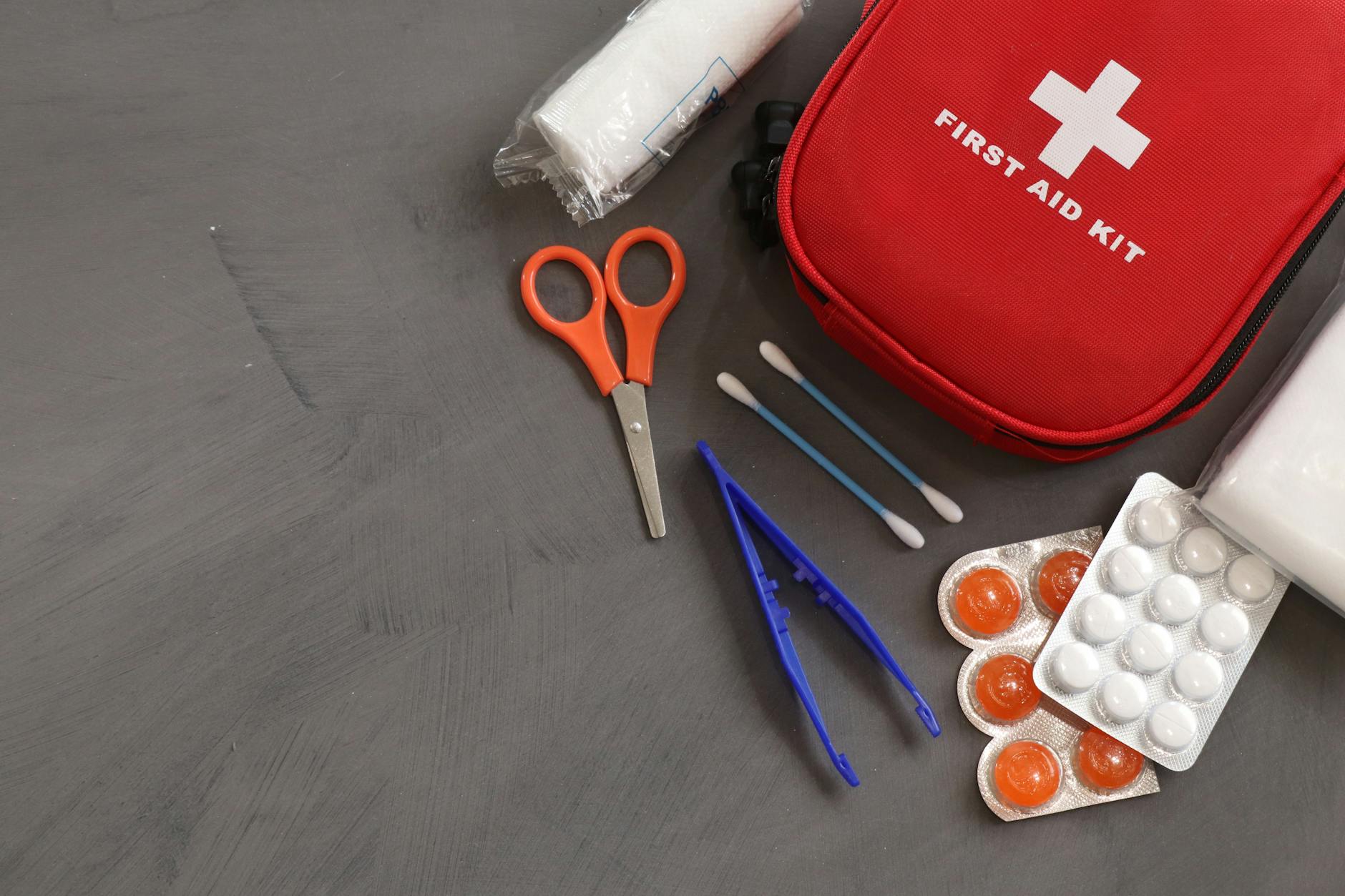
When it comes to workplace safety in the warehouse and logistics sector, first aid kits are non-negotiable. But here’s something many Australian operations managers and marketing teams overlook: those same essential safety items can double as powerful branding tools. Promotional first aid kits for warehouse and logistics Australia-wide are gaining serious traction — and for good reason. They communicate that your organisation genuinely cares about its people, while keeping your logo front and centre in high-traffic work environments. Whether you’re running a distribution centre in Western Sydney, a cold-chain logistics hub in Melbourne, or a freight depot in Brisbane, a well-branded first aid kit sends a message that safety and professionalism go hand in hand.
Why Warehouses and Logistics Operations Are Rethinking Safety Branding
The warehousing and logistics industry is one of Australia’s most safety-conscious sectors — and rightly so. With forklift traffic, heavy lifting, conveyor systems, and constant movement, the risk of minor injuries is simply part of the daily reality. Most sites are already well-stocked with safety equipment, but branded promotional products in this space are still an underutilised opportunity.
Think about it from a marketing perspective. A branded first aid kit sitting on the wall of a loading dock, in a truck cabin, or at a packing station is seen dozens of times a day by your team, contractors, and visitors. It’s not just safety equipment — it’s a consistent brand impression. For third-party logistics (3PL) providers, fleet operators, and large distribution companies, this kind of subtle but persistent brand visibility carries real value.
There’s also a cultural dimension worth considering. When a company invests in quality, well-branded safety gear, it signals to employees that they’re valued. This is particularly relevant for recruitment and retention — two persistent challenges in the Australian logistics sector. Branded safety merchandise, including promotional first aid kits, contributes to a professional, cohesive workplace identity that employees notice and appreciate.
What Goes Into a Branded First Aid Kit for Warehouse Environments
Not all first aid kits are created equal, and the contents matter enormously when you’re sourcing for a warehouse or logistics context. A kit that’s appropriate for a corporate office event won’t cut it on a busy freight floor.
Contents to Look For
When specifying a promotional first aid kit for industrial or logistics environments, look for kits that comply with — or exceed — the Australian Standard AS2675 for workplace first aid kits. Key contents to prioritise include:
- Wound care essentials: sterile dressings, bandages, adhesive strips, and wound closure strips suitable for cuts, abrasions, and lacerations from handling sharp edges or packaging materials
- Eye wash solutions or pods: critical in environments where dust, debris, and chemical splashes are possible
- Burn gel and dressings: relevant for forklift operators, those working near loading bays in summer heat, or anyone near battery charging stations
- Gloves and CPR face shields: disposable nitrile gloves are a must-have for infection control and first responder situations
- Cold packs and compression bandages: useful for strain injuries and impact incidents common in manual handling roles
- Emergency blankets and whistle: for larger sites or outdoor logistics yards
It’s worth consulting with your workplace health and safety (WHS) adviser before finalising kit contents, as requirements can vary by state and by the nature of your operations.
Packaging and Branding Options
The bag or case itself is your branding canvas. Most promotional first aid kits come in either a soft carry bag (typically nylon or polyester) or a hard plastic case. For warehouse walls and fixed mounting points, a hard case with a clear window panel and customisable label insert or pad-printed logo works well. For truck cabins, delivery vehicles, and portable use, a compact soft bag with embroidered or printed branding is more practical.
Decoration methods most suited to first aid kit packaging include:
- Pad printing for hard plastic cases — crisp, durable, and cost-effective for logos and text
- Screen printing or heat transfer for soft bag cases — handles logos well across medium to large print areas
- Embroidery for premium soft cases — adds a professional, long-lasting finish that won’t peel or fade with repeated use
For more detail on choosing the right decoration technique for your merchandise, the team at PromoForge’s print shop can walk you through the options based on your artwork and quantities.
Practical Ordering Guide: MOQs, Budgets, and Turnaround Times
If you’re new to ordering promotional first aid kits, the process can feel a bit more involved than sourcing, say, branded pens or reusable water bottles. There’s more to consider — contents, compliance, branding, and packaging all need to align. Here’s what to expect.
Minimum Order Quantities (MOQs)
Most suppliers of branded first aid kits operate with MOQs starting around 25–50 units for basic kits, though some specialist providers may require 100+ for fully customised configurations. If you only need a small run — for example, equipping a fleet of 20 delivery vehicles — look for suppliers who offer lower MOQ options or pre-packed branded kits with label customisation rather than full decoration.
Budget Considerations
Costs vary significantly based on kit size, contents, and decoration. As a general guide:
- Basic compact branded kit (10–15 items, soft case, one-colour print): $12–$25 per unit at quantities of 50+
- Mid-range warehouse kit (25–35 items, hard case, pad print): $30–$60 per unit
- Comprehensive industrial kit (50+ items, AS2675-compliant, custom branding): $70–$120+ per unit
Setup fees for artwork and screens typically range from $40–$80 per colour, per position. Always request an itemised quote that separates product cost, decoration, setup, and freight — especially for bulk deliveries to sites in regional Queensland, Western Australia, or the Northern Territory, where freight costs can be significant.
Turnaround Times
Standard production runs typically take 10–15 business days from proof approval. If you’re working towards a specific event — a site opening, a safety awareness week, or an end-of-year distribution across your distribution network — allow at least 3–4 weeks from initial order to delivery. Rush production is sometimes available, but expect a premium of 15–25% on top of standard pricing.
For organisations thinking about ongoing merchandise programs — such as issuing branded kits annually as part of a safety refresh — it’s worth exploring how a promotional merchandise subscription model might work for your business.
Strategic Uses: Beyond Just Compliance Kits
While regulatory compliance is the starting point, savvy operations leaders and marketing teams are finding creative ways to maximise the value of promotional first aid kits for warehouse and logistics contexts.
Employee Onboarding Packs
Including a branded first aid kit in a new employee welcome pack — alongside items like a branded water bottle, hi-vis vest, and custom lanyard — creates a strong first impression and immediately communicates the company’s safety culture. It’s a practical item that new starters will genuinely use and appreciate, rather than something that ends up in a desk drawer.
Vehicle and Fleet Branding Kits
For logistics companies with large fleets operating across New South Wales, Victoria, and Queensland, branded in-cabin first aid kits are an excellent opportunity to maintain consistent brand presentation across your entire vehicle fleet. Every time a driver uses or reaches for the kit, the brand is reinforced — and if a kit is ever needed in a roadside incident, having your company’s name clearly visible on the kit also presents a professional image to the public.
Trade Shows, Expos, and Industry Events
The transport and logistics sector has a busy events calendar in Australia — think trade shows, industry conferences, and supplier expos. A compact branded first aid kit makes a genuinely useful and memorable exhibitor giveaway that stands out from the usual trade show merchandise. It’s the kind of item prospects actually keep, which extends your brand’s shelf life well beyond the event itself.
Client Gifts and Partner Relations
For B2B logistics providers, a high-quality branded first aid kit sent to key clients or supply chain partners is a thoughtful corporate gift that aligns your brand with safety and reliability. Pair it with other practical branded items — perhaps a power bank or a personalised canvas bag — and you have a gift set that delivers genuine value.
Compliance, Liability, and What You Need to Know
It’s important to be clear: a promotional first aid kit is not a replacement for a properly maintained, AS2675-compliant first aid kit installed as part of your WHS obligations. Australian law requires workplaces to have adequate first aid provisions, and these should always meet state-specific regulatory requirements.
Promotional kits — particularly compact or branded versions — work best as supplementary items: for vehicles, personal issue to staff, client gifts, or event use. For your primary workplace first aid provisions, ensure you’re working with a qualified WHS adviser and a supplier who understands promotional first aid supplies for workplace safety programs.
If you’re also sourcing broader promotional products for branding across your operations, it’s worth aligning your safety merchandise with your overall brand guidelines to ensure consistency across everything from hi-vis gear to stationery.
For Sydney-based operators, exploring promotional hi-vis vests alongside branded first aid kits is a natural fit — both items contribute to a cohesive safety brand identity on the floor.
Choosing the Right Supplier for Your Branded First Aid Kits
Not all promotional products suppliers have the expertise to handle safety-related merchandise well. When evaluating options, look for:
- Experience with industrial and workplace safety products (not just generic promo suppliers)
- Ability to provide AS2675-compliant kit configurations on request
- Clear decoration options and proof processes, including pre-production samples
- Transparent pricing on setup fees, unit costs, and freight
- References or case studies from logistics, warehousing, or industrial clients
It’s also worth checking whether they can handle promotional products in Sydney or across other capital cities with fast turnaround, especially if you’re coordinating deliveries to multiple sites. The team at PromoForge works with businesses of all sizes — from small businesses to large logistics enterprises — and can help you spec the right kit for your environment.
Conclusion: Key Takeaways
Promotional first aid kits for warehouse and logistics Australia are more than a compliance box-tick — they’re a smart, strategic branding investment that reinforces safety culture, builds team morale, and keeps your logo visible in high-impact environments.
Here’s what to take away from this guide:
- Compliance comes first: Always ensure your primary workplace first aid provisions meet AS2675 and relevant state WHS requirements — promotional kits are supplementary, not a substitute.
- Choose the right kit for the environment: Warehouse and logistics settings demand more robust contents than a standard office or event kit. Tailor your specifications accordingly.
- Decoration method matters: Pad printing suits hard cases; screen printing and embroidery work well for soft bags. Match your decoration method to the substrate and use case.
- Think beyond compliance: Branded first aid kits work brilliantly in onboarding packs, fleet vehicles, trade show giveaways, and client gift sets — maximise the investment.
- Plan ahead for turnaround: Allow 3–4 weeks from order to delivery, especially for large multi-site distributions or custom kit configurations. Rush options exist but come at a cost.
With the right planning and the right supplier partner, a branded first aid kit program can deliver genuine safety value and meaningful brand reinforcement — every single day, across every site in your operation.