
Custom Singlets for Cycling Teams in Australia: The Complete Ordering Guide
Everything Australian cycling teams need to know about ordering custom singlets — from decoration methods to MOQs, budgets, and fit.

Written by
Riley Monk
Custom Apparel
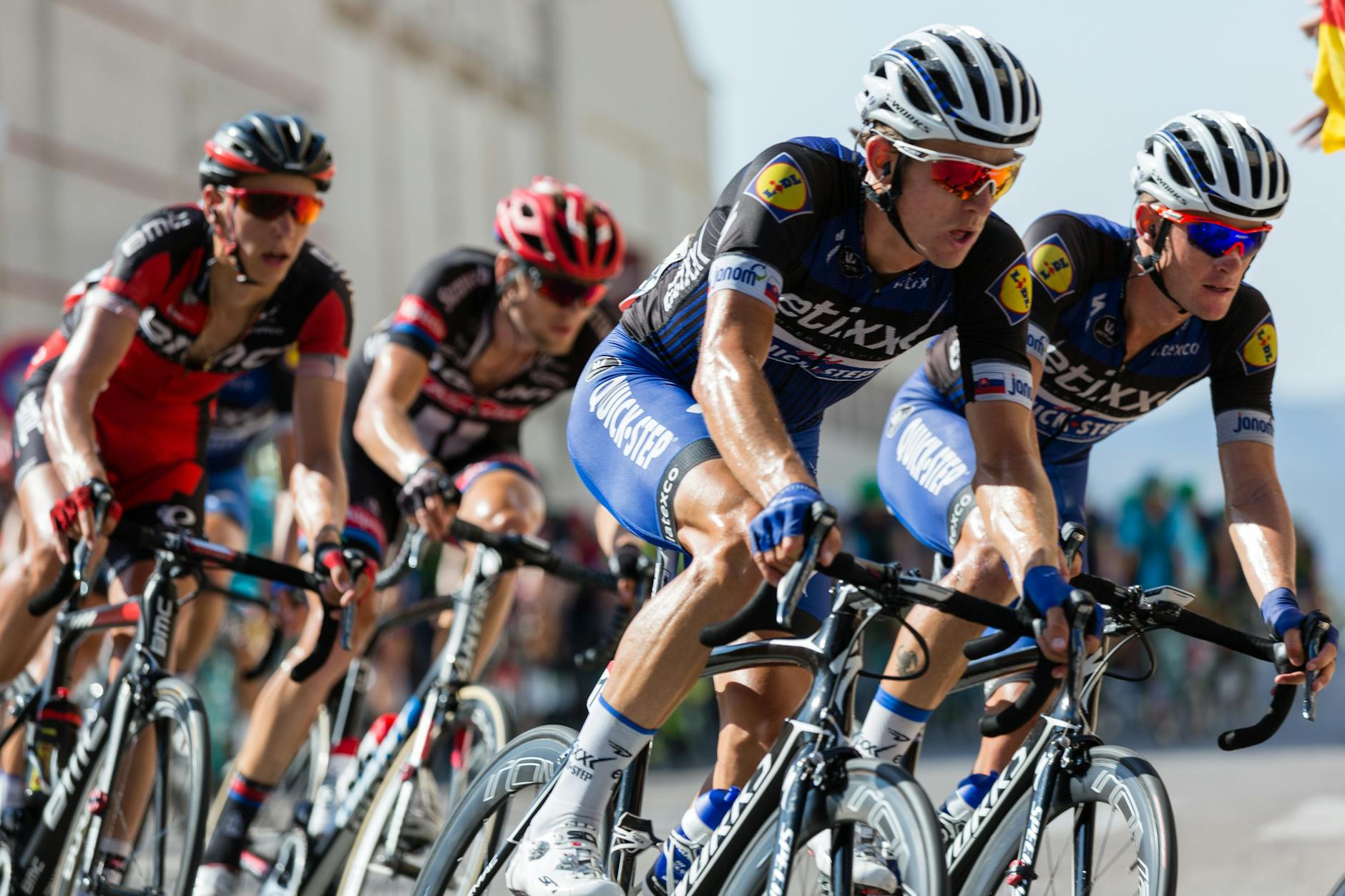
Whether you’re kitting out a weekend road cycling club in the Adelaide Hills, preparing your criterium squad for the Brisbane racing season, or building a professional look for your corporate cycling team ahead of a charity ride, custom singlets for cycling teams in Australia are one of the most impactful investments you can make. A well-designed, properly fitted cycling singlet does more than just look sharp — it builds team identity, boosts morale on race day, and turns every member into a rolling advertisement for your club or brand. But getting the order right requires understanding a range of important factors, from fabric choice and decoration methods through to minimum order quantities, artwork requirements, and turnaround times. This guide covers everything you need to know.
Why Custom Cycling Singlets Matter for Australian Teams
Cycling is one of Australia’s fastest-growing participation sports. From the iconic Peaks Challenge in Victoria to the Tour de Perth and the Amy’s Gran Fondo on the Gold Coast, competitive and recreational cycling events are drawing thousands of riders every year. In this environment, how your team presents itself matters enormously.
A cohesive kit — including a well-branded singlet — signals that your club is organised, serious, and worth joining. For corporate teams entering charity events or corporate cups, a custom singlet reinforces your brand and creates memorable moments when your whole group rides together. For community clubs in Canberra, Hobart, or Darwin, it builds the kind of pride and belonging that turns casual participants into loyal members.
Beyond aesthetics, there’s a practical dimension too. Cycling singlets are purpose-built performance garments, and customising them properly ensures that your branding doesn’t compromise the fit or function that riders depend on. That’s why understanding the decoration process is so critical.
Understanding Decoration Methods for Cycling Singlets
Not all decoration methods are created equal, and cycling apparel presents some specific challenges due to the nature of the fabric. Most high-performance cycling singlets are made from technical polyester, spandex blends, or other stretch fabrics designed to wick moisture and conform to the body during aerodynamic positioning. These materials require decoration techniques that can handle stretch without cracking or peeling.
Sublimation Printing: The Gold Standard for Cycling Apparel
Sublimation printing is by far the most popular and recommended decoration method for custom cycling singlets. With sublimation, ink is converted into a gas and bonded directly into the polyester fibres of the fabric, rather than sitting on top of the surface. The result is a print that will never crack, peel, or fade — even after hundreds of washes and long days in the sun on a 100km road ride.
Sublimation allows for full-colour, edge-to-edge designs with photo-quality detail. Your team’s name, jersey number, sponsor logos, gradients, and complex patterns can all be reproduced with exceptional accuracy. This is what makes sublimation the go-to method for cycling clubs that want a truly professional finish.
It’s worth noting that sublimation works best on white or very light-coloured polyester fabrics. It doesn’t perform on cotton or dark bases. If your team has specific colour requirements, your supplier will typically work from a custom-dyed base garment or produce a fully sublimated design that incorporates your chosen background colour into the print itself. You can learn more about what makes this technique so versatile in our guide to sublimation garments.
Heat Transfer and Screen Printing: When Are They Appropriate?
For cycling singlets specifically, screen printing and standard heat transfer are generally not ideal on stretch performance fabrics. Screen printing can work on less technical, cotton-blend singlets — such as those used for casual events, school sports days, or community fun rides — but will struggle with the elasticity of performance polyester.
If your event or club requires a budget-friendly singlet for non-competitive use, these methods may still be worth considering. However, for any team taking part in actual racing or extended cycling events, sublimation is the professional choice.
Key Considerations When Ordering Custom Cycling Singlets
Getting your order right from the start saves time, money, and a lot of frustration. Here are the most important factors to work through before you place your order.
Minimum Order Quantities
Most suppliers of custom sublimated cycling singlets have a minimum order quantity (MOQ) of between 10 and 20 units. Some suppliers can accommodate smaller runs of 5 or 6 pieces, though these typically come with a higher per-unit cost. If your club is small — say, a 12-person criterium team in Sydney — you may still comfortably meet the standard MOQ.
For larger clubs or events, bulk pricing tiers typically kick in around 25, 50, and 100 units, with meaningful per-unit savings at each level. Always ask your supplier what their pricing brackets look like before committing.
Turnaround Times
Sublimation is a more complex production process than simply printing on a pre-made garment, so turnaround times tend to be longer. Standard production for a custom sublimated cycling singlet run typically takes 3 to 5 weeks from artwork approval. If you’re ordering ahead of a major event, build in at least 6 to 8 weeks to allow for back-and-forth on design, sample approval, and production.
Rush orders are possible with some suppliers, but they carry a premium. If your club is ordering singlets for the spring racing season, now is the ideal time to start — check out our roundup of spring custom products in Australia for more ideas to pair with your kit.
Sizing and Fit
Cycling singlets are cut differently from standard athletic singlets. They typically have a longer back hem to accommodate the forward-leaning riding position, a snug aerodynamic fit, and sometimes a built-in chamois or flatlock seams. When ordering for a team, you’ll need to collect accurate size information from all riders, preferably by referring to the supplier’s specific size chart rather than assuming standard S/M/L sizing applies.
It’s worth ordering a sample or size set before committing to the full production run — particularly if your team spans a wide range of body shapes. Most reputable suppliers offer this option.
Artwork Requirements and Colour Matching
For sublimation printing, artwork must be supplied in high-resolution vector format (typically an AI or EPS file), or as a high-res PDF or PNG with transparent background. Your graphic designer should be working in CMYK colour mode, as sublimation reproduces CMYK rather than PMS spot colours.
If you need to match your team’s or sponsor’s brand colours precisely, discuss this with your supplier upfront. While sublimation can’t guarantee exact PMS matching the way screen printing with spot colours can, experienced suppliers can get very close through careful colour profiling. Learning the fundamentals of promotional products branding is a great starting point if you’re new to managing custom apparel projects.
Budgeting for Your Custom Cycling Singlet Order
Budget is always a key consideration, and custom sublimated cycling singlets sit at a higher price point than basic promotional apparel — and for good reason. The garment, production complexity, and full-colour customisation all contribute to the cost.
As a general guide for Australian clubs in 2026:
- Small runs (10–20 units): Expect to pay approximately $55–$90 per singlet, depending on the garment quality and supplier.
- Mid-range runs (25–50 units): Per-unit costs typically drop to around $40–$65.
- Larger orders (50–100+ units): Costs can fall to $30–$50 per unit or lower.
Setup fees vary — some suppliers include design templating in their service; others charge a setup fee of $50–$150. Always request an itemised quote so you can compare suppliers accurately. For guidance on what to watch out for when reviewing custom order policies, our article on return and refund policies for custom promotional products is essential reading before you sign off on anything.
Pairing Your Singlets with Complementary Branded Merchandise
A cycling team kit rarely stops at the singlet. If your club is ordering custom singlets, it’s worth considering what other branded merchandise will complete the look and extend your team’s presence.
Water bottles are an obvious companion to any cycling kit. A custom-branded reusable water bottle clipped to the frame is a moving advertisement at every event — see our guide to reusable water bottles for what to look for. Similarly, reusable drinking straws make a practical and eco-conscious addition to a team merchandise pack.
For clubs that attend expos or trade shows as part of their sponsorship activities, pairing your cycling singlets with complementary merchandise creates a cohesive brand presence. Our trade show exhibit ideas post has plenty of inspiration for presenting your club or brand professionally in a public setting.
If your club or corporate team is also involved in events like obstacle course races or adventure sports beyond cycling, you might find our promotional merchandise guide for obstacle course races in Australia useful for rounding out your kit planning.
For clubs that want to reward volunteers, thank sponsors, or run a fundraising merchandise line, consider adding promotional notebooks with your logo or branded pens as affordable add-ons. And if you’re building a broader merchandise strategy, the promotional merchandise subscription box business model trends post is worth a read for forward-thinking clubs.
Teams based in Sydney looking for local sourcing and supplier support can also explore promotional products in Sydney for region-specific options.
Working with a Supplier: What to Ask Before You Commit
Before placing your order with any supplier, ask these essential questions:
- Do you offer a sample or pre-production proof? Always confirm what your singlet will look like before full production begins.
- What’s your artwork revision policy? Know how many rounds of changes are included before additional charges apply.
- What fabric and garment brands do you use? Quality varies significantly between suppliers.
- Where is production completed? Local Australian production often means shorter turnaround and easier communication; offshore production may offer lower costs but longer lead times.
- What’s your policy if singlets arrive with defects? This links back to why understanding return and refund policies for custom promotional products matters so much.
Conclusion: Key Takeaways for Ordering Custom Singlets for Cycling Teams in Australia
Custom singlets for cycling teams in Australia represent a worthwhile investment in team identity, sponsor visibility, and rider pride. Getting the process right means doing your homework on decoration methods, planning well ahead of your event dates, and choosing a supplier who understands the specific demands of performance cycling apparel.
Here are the key takeaways from this guide:
- Sublimation printing is the best decoration method for cycling singlets — it handles stretch fabrics beautifully and delivers full-colour, durable results.
- Plan your order 6–8 weeks ahead of your target event or season to allow time for artwork, samples, and production.
- Collect accurate sizing information from all team members and refer to your supplier’s specific size chart, not generic sizing guides.
- Understand your pricing tiers — ordering slightly more units to hit the next pricing bracket can save your club money overall.
- Bundle your order where possible — pairing singlets with branded water bottles, notebooks, or other merchandise helps maximise your budget and creates a more complete team experience.