
Custom Pet Tags for Animal Shelters Australia: A Complete Ordering Guide
Discover how Australian animal shelters can order custom pet tags to boost adoptions, build brand awareness, and support fundraising efforts.

Written by
Astrid Henriksen
Eco & Sustainable Products
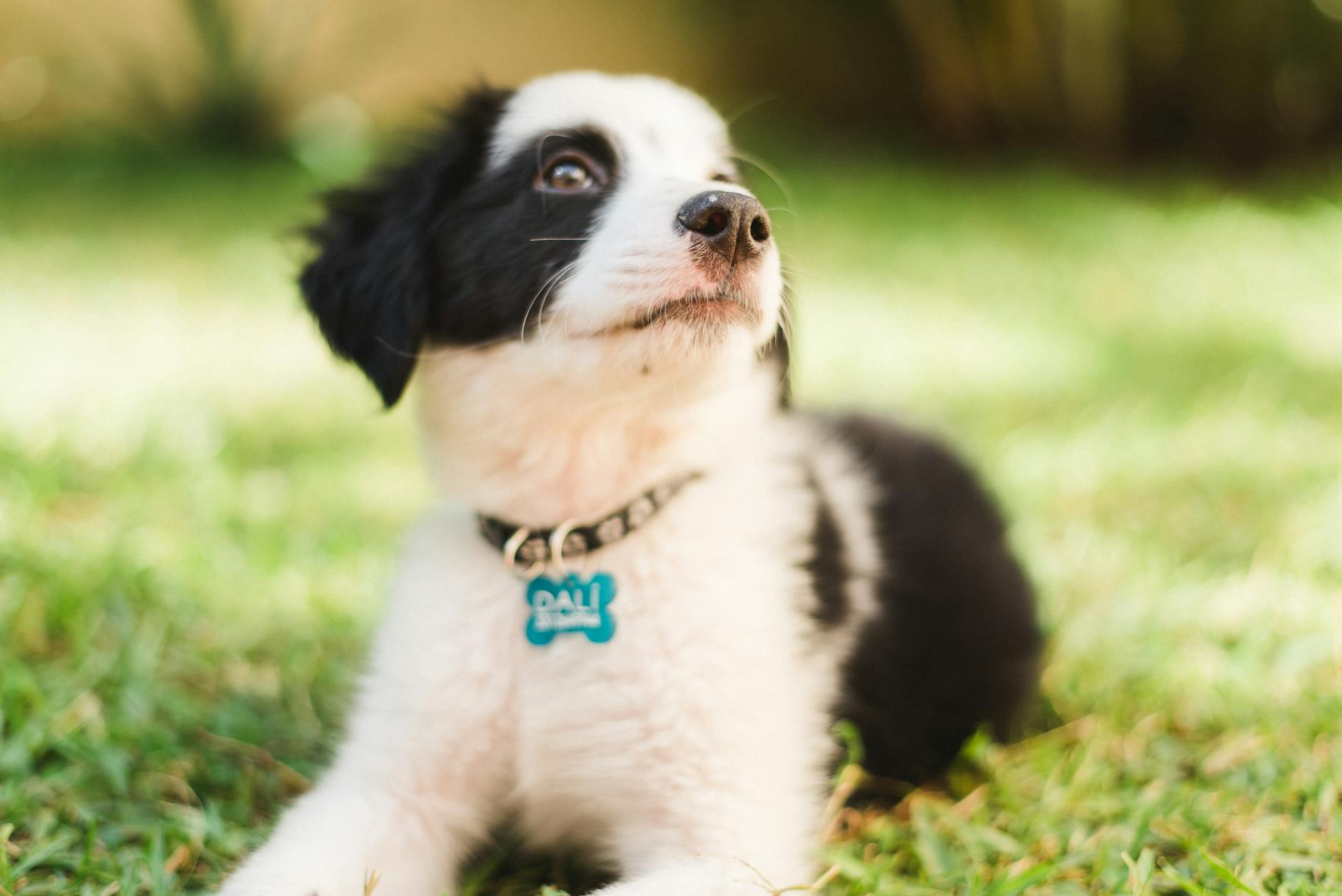
Every year, thousands of dogs and cats pass through animal shelters across Australia — from the RSPCA’s busy Sydney and Melbourne facilities to small independent rescues operating out of suburban Brisbane backyards. For these organisations, every tool that helps an animal find a permanent home matters enormously. Custom pet tags for animal shelters in Australia are one of those quietly powerful tools: practical enough to serve a real safety function, yet branded enough to turn every adopted pet into a walking ambassador for your shelter’s mission.
Whether you’re a shelter manager looking to upgrade your adoption packs, a charity fundraiser exploring merchandise ideas, or a marketing coordinator at a council-run pound exploring better community engagement, this guide covers everything you need to know about ordering, branding, and maximising the impact of custom pet identification tags.
Why Custom Pet Tags Make Sense for Animal Shelters
At first glance, pet tags might seem like a minor detail in the grand scheme of running a rescue organisation. In reality, they deliver value on multiple fronts simultaneously.
Safety and Identification
The most immediate function of a custom pet tag is identification. When a newly adopted animal bolts out of an unfamiliar backyard — which happens far more often than new pet owners expect — a tag with the shelter’s contact number provides a critical safety net. Many shelters now engrave or print their own phone number alongside the pet’s name, meaning that even if an owner has not yet updated their microchip details, there is still a contact point for whoever finds the animal.
This is particularly valuable during the first few weeks of adoption, which is statistically when pets are most likely to go missing. A durable, clearly printed tag bridges the gap between the shelter and the new family while they settle in.
Brand Visibility in the Community
Every time that adopted dog trots through a local park in Perth, Adelaide, or Hobart, its tag jingles alongside your shelter’s name. That is genuine, ongoing brand exposure — the kind that no social media campaign can fully replicate. A well-designed custom tag with your logo, shelter name, and website creates repeated impressions with pet owners, dog walkers, and anyone who stops to pat a friendly animal.
This community-level visibility is something our broader guide on promotional products branding explores in depth, and it applies just as powerfully to non-profit organisations as it does to commercial businesses.
Fundraising and Adoption Pack Merchandise
Custom pet tags are also highly effective as fundraising merchandise. Shelters can sell personalised tags at adoption events, through their online shop, or as part of premium adoption packs. Tags engraved with a donor’s pet’s name and a small shelter logo make for thoughtful, low-cost gifts that supporters genuinely use — long after the novelty of a branded pen has faded.
If you’re building out a broader merchandise strategy, it’s worth reviewing promo items for small business for ideas that translate well into the non-profit space, including how to structure tiered product offerings at different price points.
Types of Custom Pet Tags Available in Australia
Not all pet tags are created equal. The material, shape, decoration method, and durability all vary significantly between product types, and the right choice depends on your budget, use case, and branding goals.
Aluminium Tags
Aluminium is the most common material for custom pet tags in Australia due to its affordability, light weight, and suitability for laser engraving. Colour-anodised aluminium tags — available in red, blue, green, gold, and other vibrant shades — can be engraved to reveal the metal beneath, creating sharp, permanent text and simple logos.
For shelters ordering in bulk, aluminium tags typically have a minimum order quantity (MOQ) of around 50 to 100 units, with pricing reducing significantly at 250+ units. A basic engraved aluminium tag in a single colour generally lands in the $2–$5 range per unit at reasonable volumes, making it one of the most cost-effective branded merchandise options available.
Stainless Steel Tags
Stainless steel tags are heavier and more premium-feeling than aluminium, and they hold up exceptionally well to the wear and tear of active dogs. Laser engraving on stainless steel produces clean, professional results with excellent longevity. These are well-suited to shelters that want to position their adoption packs as high-quality and considered — or for fundraising merchandise sold at a higher price point.
Silicone Tags
Silicone tags are quiet, lightweight, and virtually silent — a significant selling point for owners of noise-sensitive households. They are decorated using pad printing or laser etching and come in a wide range of shapes and colours. Silicone is particularly popular for cat tags due to the lighter weight, and they work well as novelty shapes (bones, paw prints, hearts) that resonate with animal lovers.
Double-Sided Tags
Double-sided tags — whether aluminium or steel — allow shelters to include the pet’s name and owner contact details on one side, and the shelter’s logo, website, or adoption message on the other. This is arguably the best format for shelter tags because it serves the identification function while preserving valuable branding real estate.
Decoration Methods: What Works Best for Pet Tags
The decoration method you choose will affect both the aesthetics and the durability of your tags. For pet tags specifically, the two most relevant methods are laser engraving and pad printing.
Laser engraving removes material to create permanent, recessed text and graphics. It is the gold standard for pet tags because the marks cannot wear off, fade, or peel over time. It works beautifully on aluminium, stainless steel, and some hard plastics.
Pad printing applies ink to the surface of the tag, which is faster and cheaper for simple designs but less durable than engraving. It is more common on softer materials like silicone.
For shelters prioritising longevity — especially for tags included in adoption packs that need to last years — laser engraving on anodised aluminium or stainless steel is the recommended approach.
If your team is also producing other branded materials, our print shop has resources on a range of decoration methods that may help you plan a cohesive visual identity across all your materials.
Ordering Custom Pet Tags: Practical Considerations
Artwork and Logo Requirements
Most Australian suppliers will require vector artwork (typically .AI or .EPS files) for engraved logos. If your shelter only has a rasterised PNG or JPEG of your logo, you may need a graphic designer to convert it — or work with a supplier who offers artwork assistance.
Keep your logo design relatively simple for pet tag applications. Fine detail, gradients, and multiple colours do not translate well to engraving. A clean, bold mark or wordmark with good contrast works best.
Turnaround Times
Standard turnaround for custom pet tags in Australia typically runs 7–14 business days from proof approval, depending on the supplier and quantity. If you’re ordering ahead of a major adoption event — common around spring and summer when shelter populations peak — allow at least three to four weeks to be safe. Rush services are sometimes available but will usually attract a premium.
Budgeting for Shelter Merchandise
For smaller community rescues operating on tight budgets, it is worth exploring whether your tags can double as both functional pet identification and fundraising merchandise. Charging $10–$15 per personalised engraved tag at adoption events, with a cost of $3–$5 per unit, creates a meaningful revenue margin that helps offset other operational costs.
It is also worth considering how pet tags fit within a broader merchandise strategy. Many shelters successfully combine tags with other branded items — small quantity custom lanyards for volunteers, promotional notebooks with logo for donor packs, and reusable items like branded reusable water bottles for fundraising stalls.
Custom Pet Tags as Part of a Broader Shelter Branding Strategy
Custom pet tags for animal shelters in Australia shouldn’t exist in isolation. The most effective shelters treat every touchpoint — from the tag on an adopted pet’s collar to the volunteer uniforms at adoption events — as an opportunity to reinforce their brand and mission.
Consider how your tags coordinate with other shelter merchandise. If your organisation attends community events, trade show-style stalls, or markets, a unified visual identity across all materials makes a strong impression. Our guide on trade show exhibit ideas covers how to create cohesive branded setups that attract attention and build credibility — principles that translate well to community fundraising events.
For shelters looking at the broader promotional merchandise landscape, it’s also worth understanding how promotional merchandise subscription box business model trends are shaping the way organisations think about recurring merchandise touchpoints — a concept that some forward-thinking shelters are exploring through monthly donor gift boxes.
Coordinating Merchandise for Volunteers
Your volunteers are your most visible brand ambassadors. Pairing custom pet tags with staff and volunteer merchandise — such as branded tote bags, sublimation garments in your shelter colours, or even practical items like promotional first aid supplies for workplace safety programs — creates a professional, unified presence at community events.
Don’t overlook practical branded items that volunteers genuinely use day-to-day, such as reusable drinking straws or eco-friendly merchandise that reinforces the animal welfare values your shelter embodies.
Finding the Right Supplier for Your Shelter
When sourcing custom pet tags in Australia, look for suppliers who:
- Offer free or low-cost digital proofs before production
- Have experience with laser engraving on metal tags specifically
- Can accommodate split orders (e.g., tags in multiple colours for different animal types)
- Provide clear turnaround time guarantees
- Offer competitive pricing at modest MOQs suitable for smaller rescue organisations
It is always worthwhile requesting a physical sample before committing to a large run — particularly if you are using a new supplier or trying a new material. A small upfront investment in sampling can prevent a costly mistake at scale.
If your shelter is also exploring other branded merchandise beyond tags, our overview of promotional products in Sydney offers useful context on supplier relationships and what to look for when evaluating partners in the Australian market.
Conclusion: Key Takeaways for Shelters Ordering Custom Pet Tags
Custom pet tags for animal shelters in Australia represent a small investment with genuinely outsized impact — improving adopted pet safety, boosting brand visibility in local communities, and supporting fundraising efforts in a tangible, practical way. Here are the key points to keep in mind as you plan your order:
- Choose laser engraving on anodised aluminium or stainless steel for the best combination of durability, cost-effectiveness, and brand clarity.
- Double-sided tags maximise value by serving both identification and branding purposes simultaneously.
- Plan ahead — allow 3–4 weeks minimum for bulk orders, especially ahead of peak adoption seasons in spring and summer.
- Integrate pet tags into a broader merchandise strategy, combining them with volunteer gear, fundraising items, and event merchandise for a cohesive shelter brand presence.
- Request samples before committing to large runs, and ensure your artwork is supplied in vector format to achieve the cleanest possible engraving result.
With thoughtful planning and the right supplier, a simple custom tag can become one of your shelter’s most effective ongoing marketing tools — and a small but meaningful part of every animal’s fresh start in their new home.